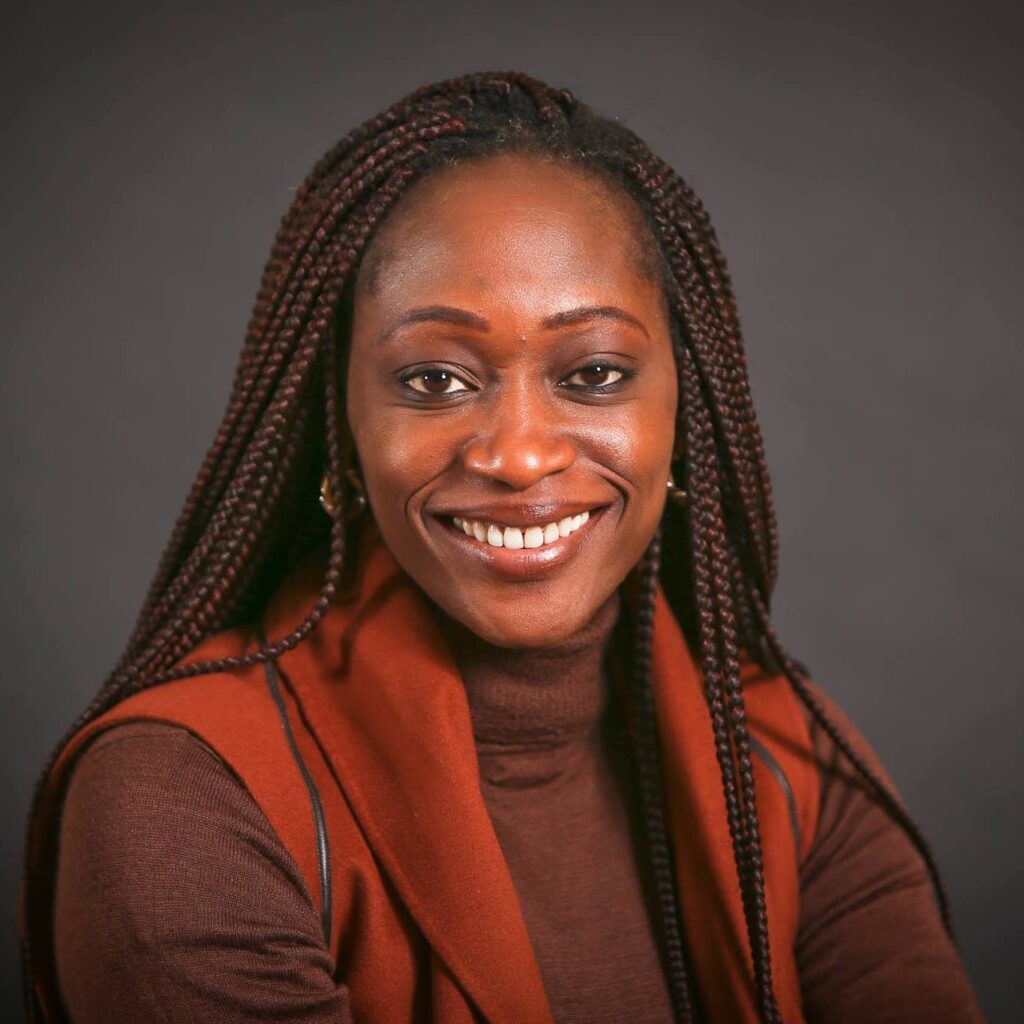
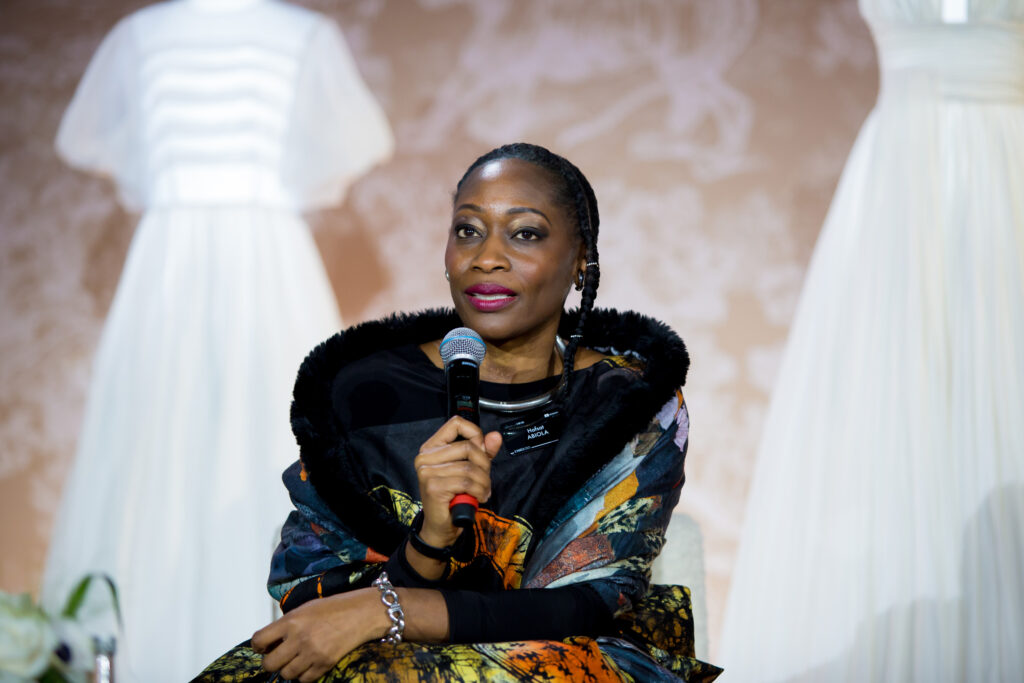
Leadership. Women. Africa’s future. In the first WIA Insights, an interview with Dr. Hafsat Abiola, President of Women in Africa (WIA) Philanthropy, shares the experiences, convictions and hopes that continue to shape her work.
Dr. Hafsat Abiola is the President of Women in Africa (WIA) Philanthropy, but to understand Hafsat’s leadership, it is important to look beyond her current position.
She describes herself first and foremost as:
“A champion of Africa. I’m a champion of African women. I’m a believer in Africa’s future. I’m a believer in Africa’s greatness.”
Her conviction is rooted in a lifetime of experiences that shaped the way she sees leadership, women’s empowerment and Africa’s potential.
Hafsat grew up in Nigeria in a family deeply involved in the country’s democratic struggle. Her father, Chief M.K.O. Abiola was a prominent political figure, while her mother, Alhaja Kudirat Abiola, became an important voice in the movement for democracy.
As a young woman, Hafsat witnessed her mother’s activism first-hand and supported her throughout the struggle. The experience would profoundly influence the direction of her own life.
She recalls seeing the power of women to influence not only their families and communities, but entire countries.
“I saw that women can have a huge impact on their communities, on their countries, on our continent.”
That belief became central to her own mission.
“Whatever we can do to awaken African women to their greatness, it will be the key for unlocking the potential of the continent.”
For Hafsat, this is more than a professional commitment. It is a personal one.
In this edition of WIA Leadership Insights, Hafsat opens up about the journey behind that mission — from the experiences that shaped her as a young woman to her work today with African women entrepreneurs.
She reflects on the challenges women continue to face, the opportunities she sees across the continent, what leadership means to her, and why she believes Africa’s future will depend on the choices and actions of the generation leading today.
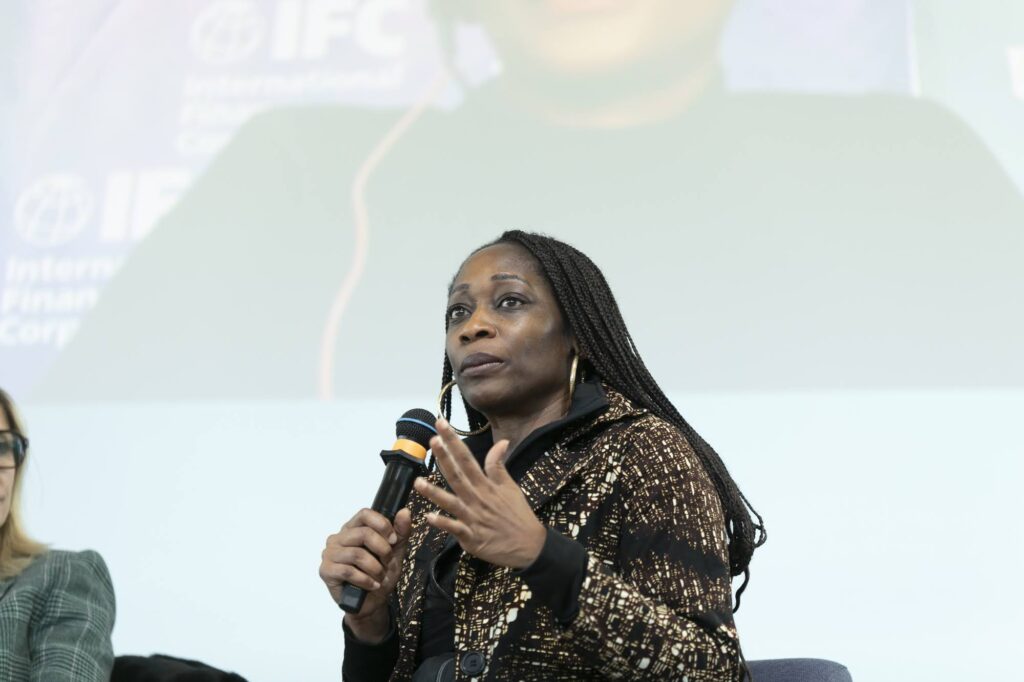
When asked what being part of Women in Africa means to her, Hafsat describes a daily commitment to finding ways to unlock opportunities for women entrepreneurs across the continent.
African women have one of the world’s highest rates of entrepreneurship, yet many face significant barriers to building successful and sustainable businesses.
Hafsat points to challenges including access to finance, training and mentorship, as well as discrimination and policies that can restrict women’s economic independence.
For her, supporting women entrepreneurs is not simply about helping individual women succeed.
She explains why WIA’s work focuses on connecting women with the resources, knowledge, networks and opportunities they need to grow.
And the impact, she argues, goes far beyond the individual entrepreneur.
“If Africa needs to advance quickly… then it makes sense that we should be championing the people in Africa that invest the most to develop the competencies and opportunities and to create jobs for people in Africa, and that’s African women.”
The conversation then turns towards the opportunities Hafsat sees for Africa.
The continent’s young population, its natural resources and its growing importance in technology, renewable energy and the digital economy all point towards enormous potential.
“Africa is a young continent. So the future belongs to Africa.”
But Hafsat is clear that potential alone is not enough.
The challenge is to ensure that African people — and particularly African women and young people — are able to create value from these opportunities and play an active role in shaping the future.
She speaks about the need for Africa to move beyond simply supplying raw materials and towards developing businesses, industries and value chains within the continent.
“The future belongs to Africa and it belongs to Africa’s young people.”
Hafsat sees African women as central to addressing many of the continent’s most important challenges — from agriculture and food security to logistics, energy and access to markets.
Many women are already doing this work. What they often lack is the support needed to scale it.
Training, mentorship, financing and an enabling environment can turn existing efforts into sustainable solutions.
But Hafsat also points to something less visible: the work women already do every day without recognition.
And this raises an important question:
“The key task now is: are we ready to support the women?”
Hafsat’s understanding of leadership is inseparable from one of the defining moments of her life.
At 21, just days before her university graduation, her mother was killed while fighting for democracy in Nigeria.
Faced with an unimaginable loss, Hafsat made a decision to continue the struggle.
She became an advocate for Nigerian democracy, working internationally with diaspora communities and political leaders while many Nigerian activists were forced into exile.
Looking back, she describes what that experience taught her:
“I saw that struggle leads to progress.”
And:
“It is by our own agency, by our own efforts, that we can change the reality that we live in.”
That experience also shaped her understanding of women’s economic independence and why entrepreneurship matters.
“You need the women to be independent. You need them to be strong. You need them to be financially autonomous.”
For Hafsat, leadership is ultimately about putting the future before the self.
“What makes a great leader for me is a leader that understands that they are not even important.”
Instead, leaders must focus on the possibilities they can create for those who come after them.
She speaks about the millions of young Africans who will inherit the decisions being made today — and the responsibility to ensure that education, skills and opportunities exist for them.
Leadership therefore requires integrity, discipline and a willingness to do work that may never receive recognition.
“Maybe those coming after us will be able to reap the harvest that we’ve sown.”
The conversation closes with Hafsat speaking directly to women across Africa and the African diaspora.
She acknowledges the challenges, doubts and difficulties women face, but asks them to continue building and to think beyond the limitations others may place on them.
“I need you to dream bigger.”
Her message is ultimately about belief — in themselves, in Africa and in the generations that will come after them.
“You are everything that everybody else on the planet is.”
And her final invitation brings the conversation back to the collective work at the heart of Women in Africa:
“You can do it, you’ve always done it. And this is now the time that we can do it together.”
Hafsat Abiola’s story offers a deeply personal perspective on leadership, but the questions she raises reach far beyond her own journey: What kind of Africa are we building? And what will we leave for the generations that come after us?
Watch the full WIA Insights, an interview with Dr. Hafsat Abiola and hear her story, vision and message in her own words.
Don’t miss the latest news. Find out what’s happening at WIA.