WIA Philanthropy

WOMEN FOR ZERO HUNGER

in partnership with

The Women for Zero Hunger Program is a signature initiative by Stop Hunger, in collaboration with WIA Philanthropy.

We back NGOs that enable women to become economically autonomous. Because when a woman starts earning, everything changes: she feeds her family, builds resilience, and ends the cycle of hunger around her.

A programme for women’s economic empowerment —
with food security as the result

Since 2022, Stop Hunger and WIA Philanthropy have co-led the Women for Zero Hunger programme to identify, support, and accompany African organisations working to advance women’s economic autonomy and reduce food insecurity.

Programme Objectives

The Women for Zero Hunger 2026 edition aims to:

  • Identify African organisations that actively strengthen women’s economic empowerment and, as a result, contribute to greater food security.
  • Build their organisational capacity through structured support (webinars, mentoring, follow-up).
  • Finance high-impact projects benefiting women and their communities.

Who Can Apply?

The programme targets local organisations operating on the African continent:

  • Associations, NGOs, or local foundations;
  • Based in one of the 12 focus countries for the 2026 edition:
    Gabon, Senegal, Côte d’Ivoire, Togo, Benin, Tunisia, Morocco, Ethiopia, Botswana, Namibia, Ghana, Sierra Leone;
  • Directly contributing to:
    • women’s economic empowerment;
    • food security and hunger reduction (production, processing, distribution, access to sufficient and nutritious food, etc.);
  • Operating with a structured team and clear governance;

Willing to engage in a multi-step selective process (webinars, application files, interviews, reporting).

What the Programme Offers to Laureates

Selected organisations will benefit from:

  • Project funding to implement or scale their initiative (3 laureates in 2026);
  • A 6-month capacity-building programme, including:
    • strategic mentoring and follow-up,
    • support to strengthen project structure,
    • consolidation of impact indicators;
  • A simplified and guided impact measurement framework;
  • Increased visibility through portraits, digital communication, impact infographics, and exposure across Stop Hunger and WIA Philanthropy networks.

2026

Selection Process

The 2026 cycle follows five steps, combining selectivity, guidance, and transparency.

STEP 1

Objective: identify active organisations aligned with the programme’s mission.

Applicants complete a short form including:

  • Basic organisational information (name, country, year of creation);
  • A brief description of the project;
  • Expected impact on women;
  • Project maturity and motivation.

WIA pre-selects approximately 25 organisations.

STEP 2

Shortlisted organisations participate in 2 to 3 preparatory webinars:

  1. Programme presentation & selection criteria (values, expectations, themes).
  2. Methodology workshop: how to structure a project, budget, and impact indicators.
  3. Q&A and collective mentoring session with WIA/Stop Hunger teams.

At the end of this phase, 10–15 organisations submit a full application.

STEP 3

Applicants submit a comprehensive application form including:

  • Detailed presentation of the organisation and its impact;
  • Budget and fund-use plan;
  • Governance and partnerships;
  • Quantifiable impact indicators (beneficiaries, jobs, income, production, etc.);
  • Supporting documents (bylaws, activity reports, budget, etc.).

Applications are assessed by WIA using a 100-point scoring grid, based on:

  • Impact on food security and women;
  • Local relevance and innovation;
  • Economic and environmental sustainability;
  • Organisational capacity;
  • Scalability potential.

Expected outcome: selection of 10 finalists.

STEP 4

Each finalist undergoes:

  • A 30–45-minute online interview with WIA (and optionally Stop Hunger);
  • Preparation of a due diligence file, including:
    • governance & financial transparency,
    • demonstrated results,
    • key risks & mitigation strategies,
    • WIA recommendation (“Support / Needs further review”).

WIA then submits 10 synthesis sheets for Stop Hunger to select 5 finalists for the jury.

STEP 5

The 5 finalist organisations are presented to an external Stop Hunger × WIA Jury:

  • Each organisation provides a visual summary file (organisation, country, objectives, budget, indicators, photo, quote);
  • A pre-recorded pitch video is submitted to ensure fluidity during the jury session.

The jury selects 3 laureates who will receive:

  • project funding,
  • 6-month tailored support,
  • mentoring and operational follow-up.

PROGRAM

Indicative Timeline

2026

success stories

ChildVoice

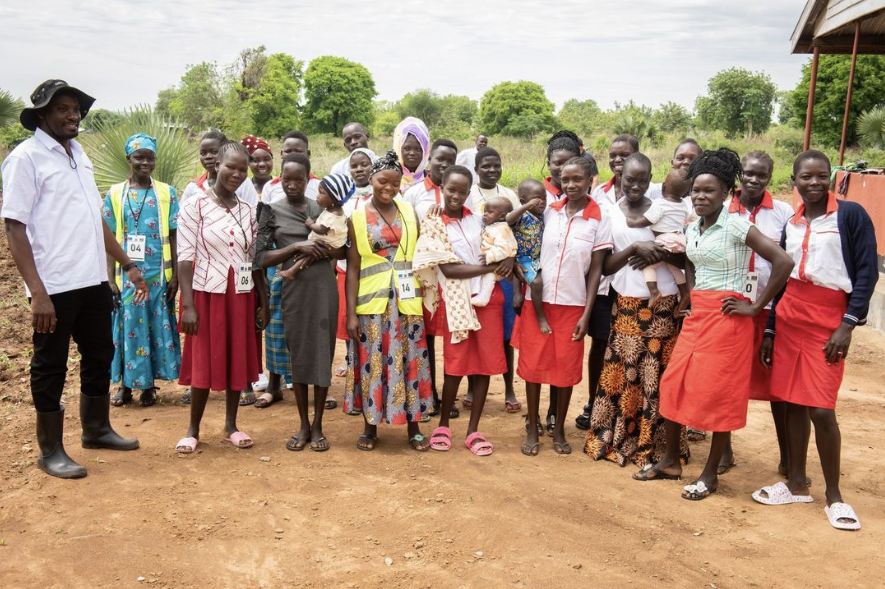
ChildVoice provides enhanced agriculture and business training, plus supplemental food relief to adolescent girls in refugee communities in Uganda & Nigeria. 
FarmSahel

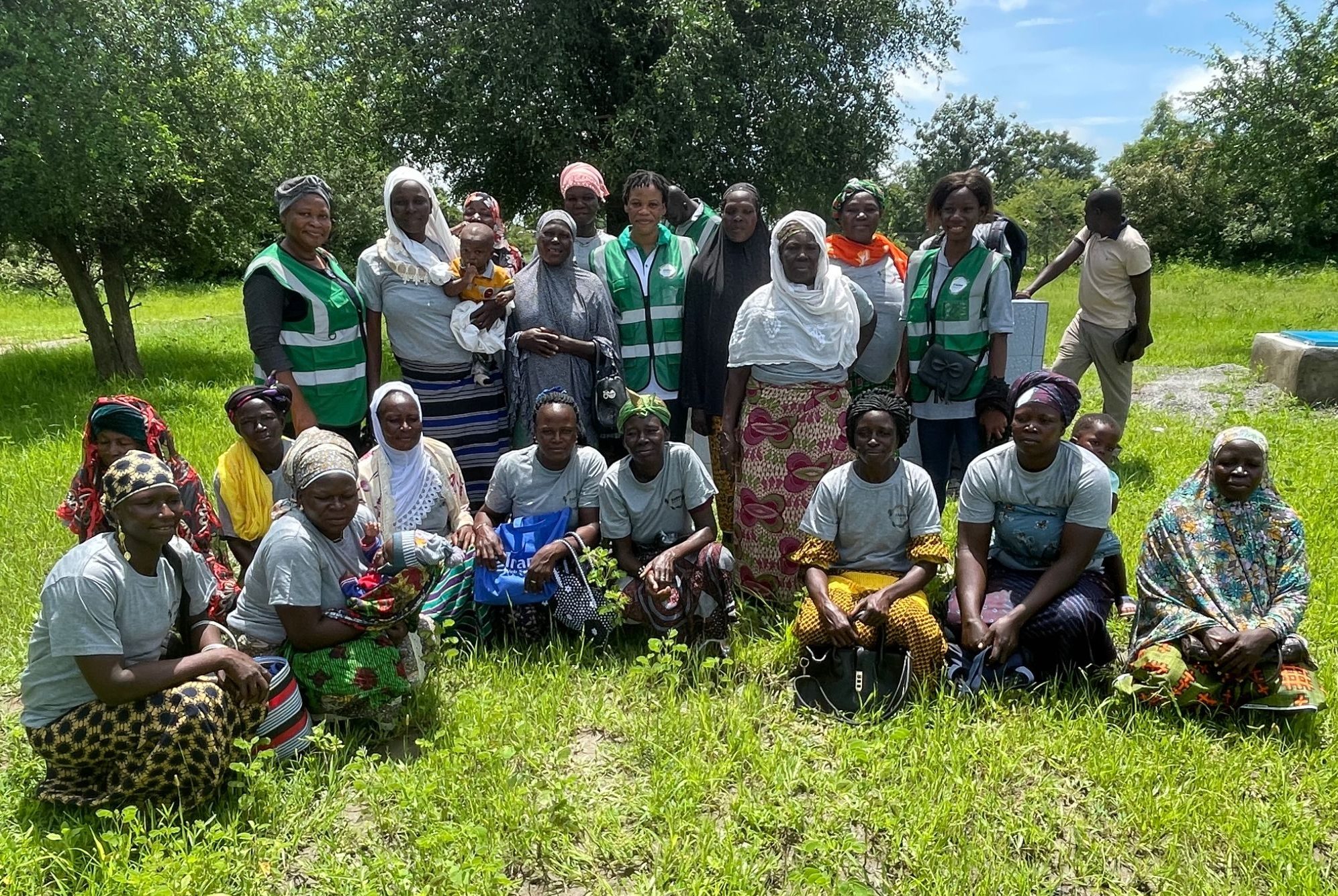
FarmSahel creates food security and breaks the cycle of poverty for rural women of Burkina Faso, unlocking the potential of Sahel communities to achieve economic freedom through sustainable permaculture.​

Women Smiles Uganda

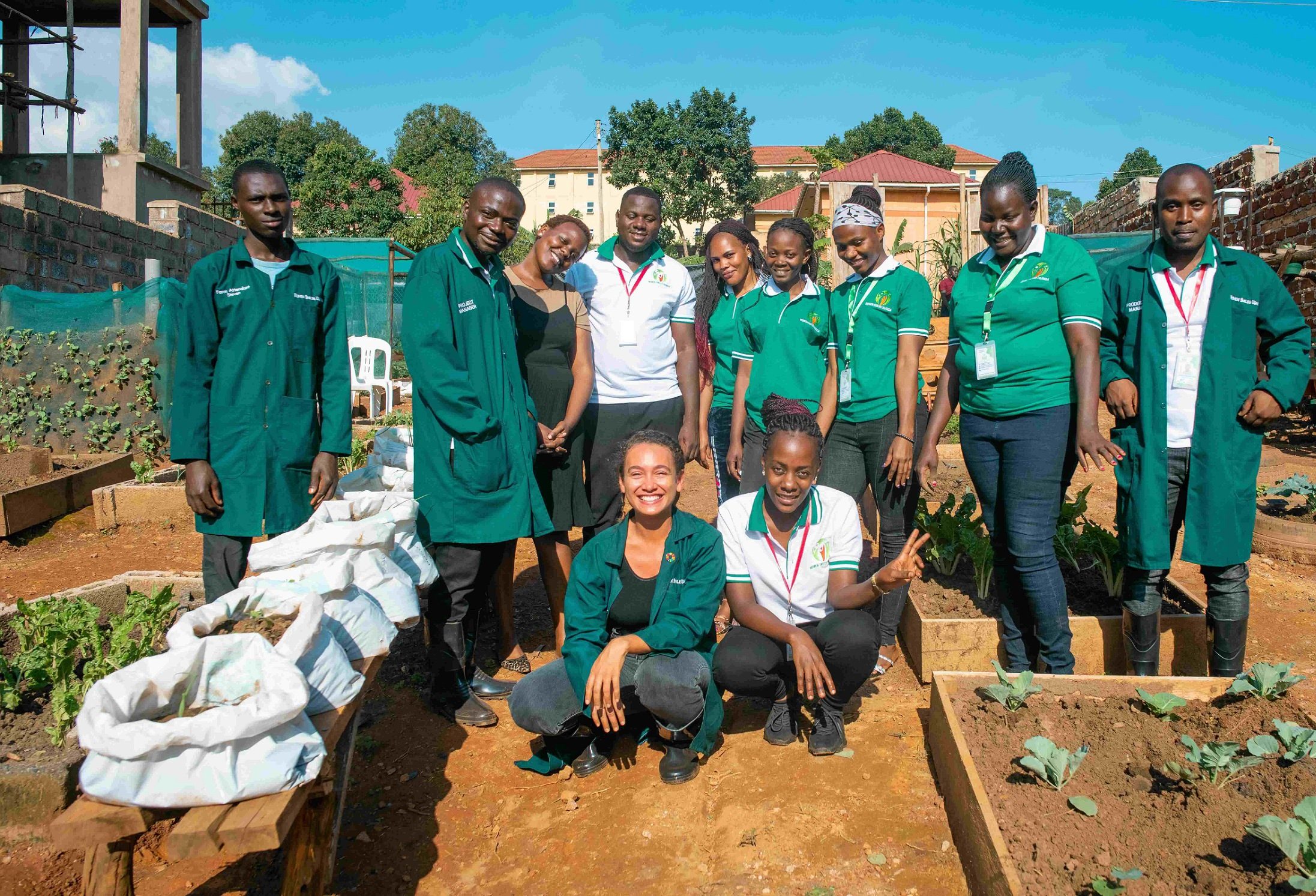
WSU builds adaptable vertical farms and trains women in sustainable urban farming to end hunger and poverty for poor households.

Testimonials