An interview with Dorothy Kamasa
How Women for Zero Hunger Is Transforming Women’s Lives in Ghana
21 October 2026
In Ghana’s Upper West Region, women farmers are gaining more than access to agricultural resources. They are building confidence, strengthening their economic independence and finding their voices within their communities.
Through Women for Zero Hunger, an initiative by Women in Africa Philanthropy in partnership with Stop Hunger, women-led organisations are turning local challenges into opportunities for lasting change.
From providing essential farming inputs and financial literacy training to establishing cooperatives and developing new market opportunities, this project demonstrates how investing in women can create impact that extends far beyond agriculture.
In this interview, we speak with the woman leading the initiative – Dorothy Kamasa – about the progress achieved, the inspiring story of Juliana, a farmer challenging traditional barriers to land access, and the next steps towards building sustainable women-led agricultural enterprises.
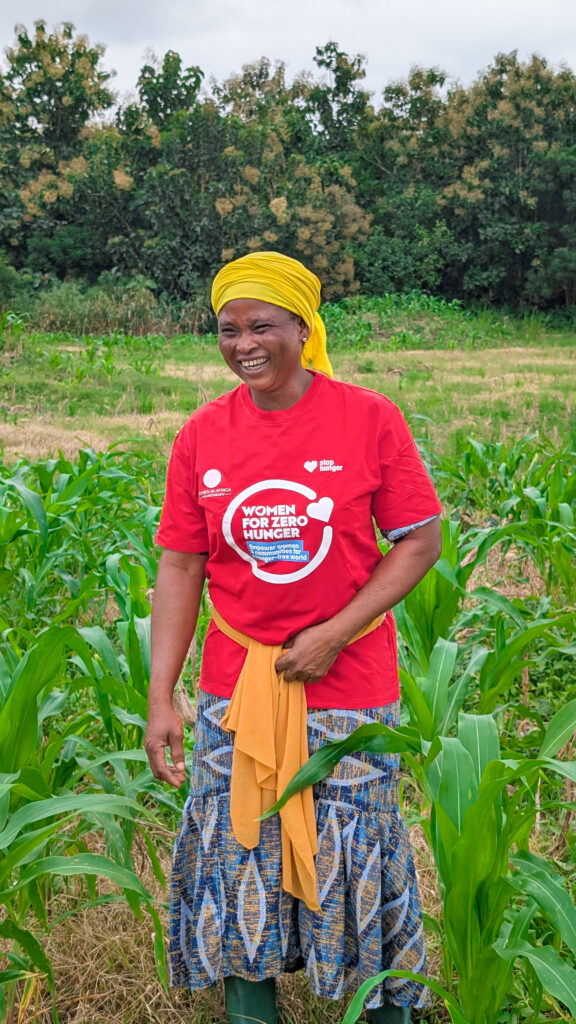
Can you briefly tell us where your project is today and what has happened since taking part in Women for Zero Hunger?
Since taking part in Women for Zero Hunger, the project has grown significantly, both in terms of what we are doing with the women and in our own organizational capacity.
We have provided women with certified seeds and seedlings, farm inputs, protective equipment and tools, and equipment for applying pesticides safely on their farms. We have also trained them in financial literacy and organized them into cooperatives where they can save together and access small loans to support their farming activities.
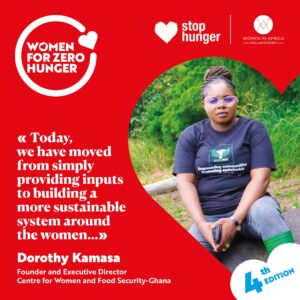
Today, we have moved from simply providing inputs to building a more sustainable system around the women. Their crops are growing, the cooperatives are becoming stronger, and we are now moving into value addition, processing, packaging and market opportunities.
For me personally, Women for Zero Hunger has also strengthened my leadership. I have learned how to build partnerships, mobilize resources, seek collaboration and position the organization for longer-term sustainability.
What has changed for the women you support since the programme began?
The biggest change has been their confidence and sense of agency.
Before the programme, some of the women were afraid to speak openly about the challenges they faced. Today, they are more confident to talk about their problems, their rights and what they need to improve their livelihoods.
They also have access to better farm inputs, equipment and knowledge. Through the cooperatives, they are learning financial literacy and creating their own savings and loan mechanisms. This means they are not always waiting for someone from outside to come and solve their problems. They are beginning to support one another.
So, for me, the transformation is not only about seeds, equipment or training. It is about women gaining the confidence and collective power to make decisions and shape their own futures.
What achievement or moment are you most proud of so far?
The moment I am most proud of is hearing the women talk about the hope that Women for Zero Hunger has brought into their lives.
I have heard women openly communicate their fears, their challenges and what they want for their families and communities. And I have seen them come together through their cooperatives to mobilize resources and support one another.
That gives me the greatest joy because it shows that the project is becoming bigger than the resources we provide. The women are beginning to believe in themselves and in their ability to create solutions together.
Is there one woman or one story that you feel best represents the impact of the project?
Yes. I would like to share the story of Madam Juliana from Nandom in Ghana’s Upper West Region.
Her story represents the kind of transformation we want to see in women, not just receiving support, but gaining the confidence and knowledge to understand and speak about their rights.
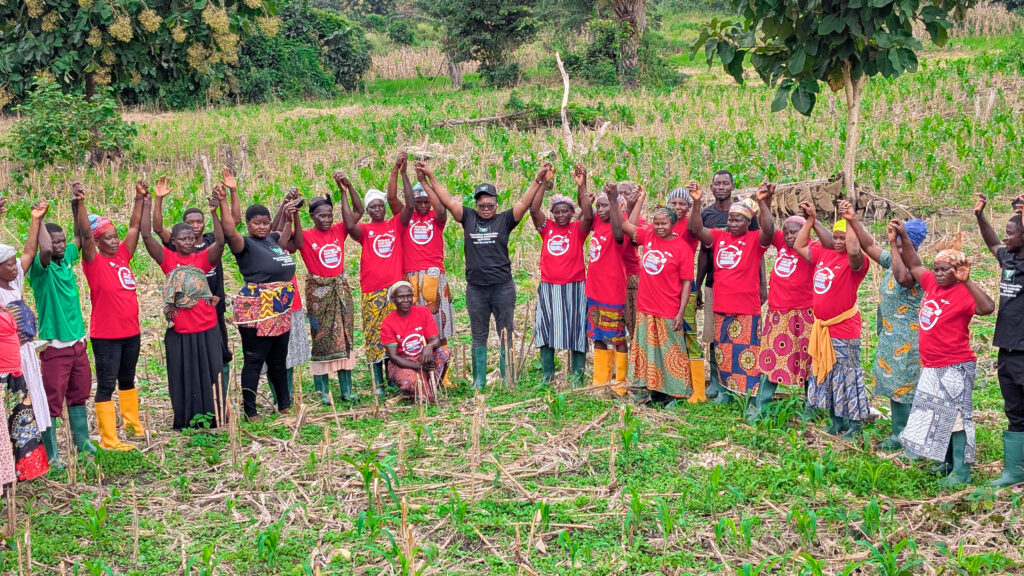
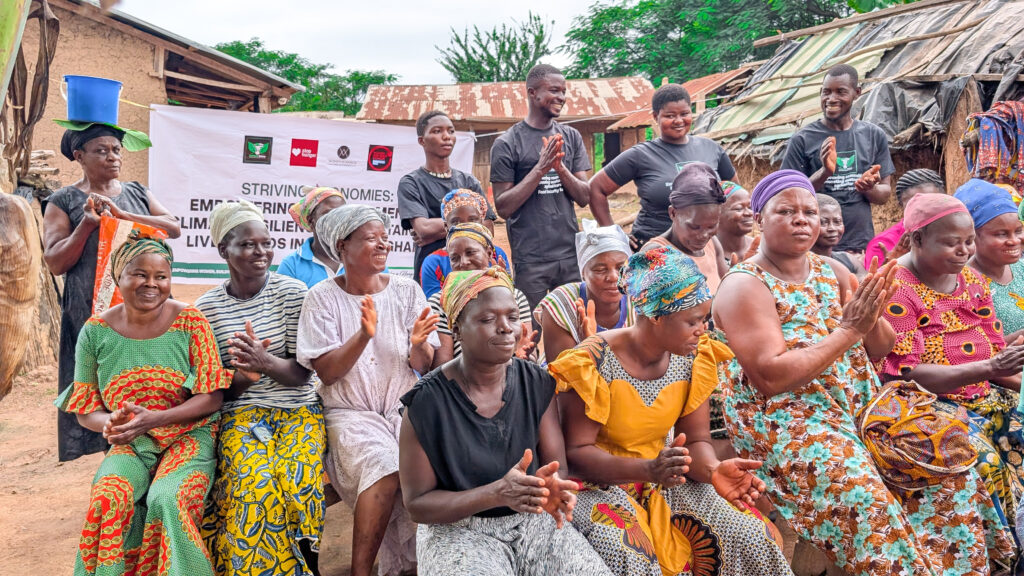
Can you tell us about “her”?
Juliana comes from a community where land is traditionally inherited through the male line. For many women, especially after marriage, this can make access to land for farming very difficult.
Through our training, Juliana gained the confidence to question the idea that customs and traditions should determine whether a woman can have access to land to farm and earn a livelihood.
What inspires me most about Juliana is her voice. She is not formally educated and she does not speak English, but when she speaks about her experiences, you can hear the passion and confidence in her voice.
She now understands that as a farmer, she should be able to advocate for access to productive resources, including land.
For me, Juliana’s story shows that empowerment is not simply about giving a woman something. It is about helping her find her voice, understand her rights and believe that she can influence the decisions that affect her life.
What are you working on now, and what comes next for the project?
We are now moving into the next phase, which is focused on value addition and enterprise development.
The women have received certified seeds and farm inputs, and their crops have been planted and are growing well. We are now preparing an incubation phase where the women will receive practical training in processing products such as paprika and chilli powder, as well as packaging, business management and financial literacy.
We also want to connect them with agricultural experts and markets so that they can move beyond producing raw agricultural products.
The goal is to help the women add value to what they produce, reduce post-harvest losses and earn better incomes. Ultimately, we want to develop sustainable women-led enterprises that can continue beyond the project period.
What has being part of Women for Zero Hunger meant for your organisation and the women you work with?
Women for Zero Hunger has been a game changer for us.
As a young organization, sometimes it can take a very long time to mobilize the resources needed to reach farmers and respond to their challenges. Women for Zero Hunger gave us the support we needed to move much faster from identifying problems to actually implementing solutions.
It has also strengthened our credibility, networks and partnerships. We have developed new relationships with local actors and agricultural partners, and we have received greater support from the communities and local authorities we work with.
But beyond the organization, what matters most to me is what it has meant for the women.
It has given them resources, knowledge, confidence and a platform to come together. They are beginning to see themselves not just as beneficiaries, but as women who can lead, make decisions, support one another and build their own economic futures.
That is what Women for Zero Hunger has meant to us: it has helped turn hope into action, and action into greater confidence and opportunity for women.
Latest in the WIA Community
Don’t miss the latest news. Find out what’s happening at WIA.